The internet is now an unavoidable part of everyday life. We learn, work, shop, communicate and keep informed through it. But does everyone have equal access to the digital world? For millions of people with disabilities, using websites and applications can be a challenge. This is exactly where web accessibility comes in.
What is web accessibility?
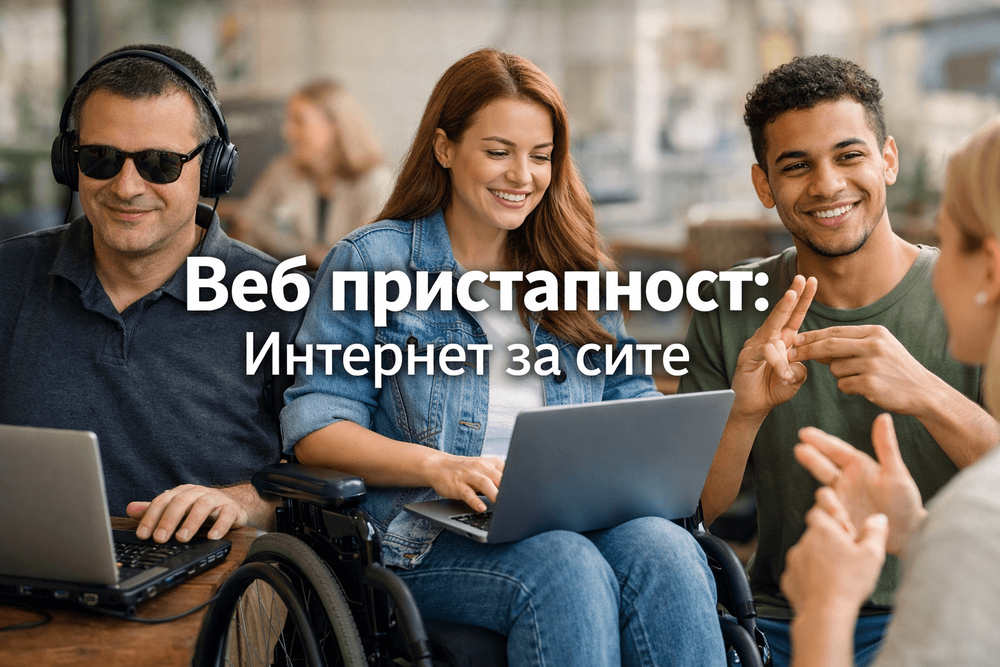
Web accessibility means designing and developing websites so that all people can use them, regardless of their abilities. This includes people with:
-
visual impairments or total blindness
-
hearing impairments
-
motor difficulties
-
cognitive or learning difficulties
-
temporary limitations (injury, fatigue, bright light, slow internet, etc.)
Accessibility is not only for people with disabilities — it helps everyone. For example, clear text is useful to everyone, as is a well-structured interface or the ability to use a site without a mouse.
Why does web accessibility matter?
Web accessibility has several aspects:
1. Inclusion and equality
The internet should be open to everyone. Accessibility allows people with disabilities to take part in the digital society on an equal footing.
2. A better user experience
Accessible websites are clearer, easier to use and better organised. That means a better experience for all users.
3. A larger audience
When a website is accessible, more people can use it. This is especially important for companies, institutions and educational platforms.
4. Legal requirements
In many countries there are laws requiring digital services to be accessible. This is becoming increasingly important in Europe as well.
What does an accessible website look like?
An accessible website usually has:
-
clear and readable content
-
sufficient colour contrast
-
a logical heading structure
-
the ability to navigate with a keyboard
-
descriptions for images
-
simple and understandable language
-
consistent design
These elements don't just make a page accessible, they also make it more comfortable to use.
Accessibility is for all of us
It is important to understand that accessibility is not an "add-on" but a fundamental part of a quality web. Everyone can benefit from it — from older people to mobile users, and even people who use the internet in different conditions.
With small improvements we can make a big difference. Web accessibility means an internet that is fairer, more open and friendlier for everyone.
Conclusion
Web accessibility is not just a technical topic — it is a human one. It is about equal opportunities, inclusion and a better digital experience for everyone. As the internet continues to grow, so does the importance of making it accessible to all.
Because the internet should be a place where everyone can take part. Without barriers. Without limits. For everyone.